The nutritional benefits of dried hay
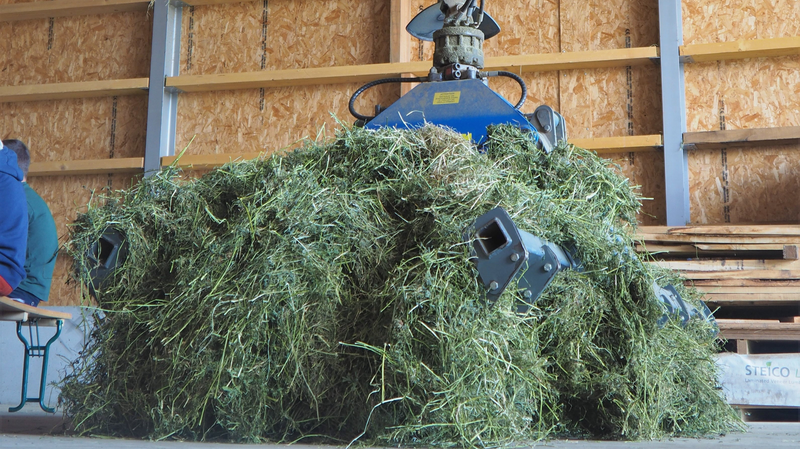
Dried hay with high nutritional value
Drying forage allows for the harvesting of young grass and its preservation as hay from the first cutting. This technique aims to maximize the nutritional value of the grass, minimizing losses associated with harvesting and storage. Hay dried in barns or bales is distinguished by its nutritional richness, directly linked to the stage of harvest and the quality of the drying process.
Better preservation of nutrients
Physical preservation of leaves
The forage is harvested at a dry matter content of between 55 and 65%. At this stage, the plants remain supple, which limits leaf loss during mechanical harvesting. The leaves contain the majority of the forage's nutritional value, so their proper preservation helps maintain a high nutritional level.
Chemical preservation of sugars and proteins
Dry drying preserves the soluble sugars naturally present in the plant at harvest time. Unlike forages preserved using the wet method (silage, haylage), there is no fermentation that consumes some of these sugars to produce lactic acid. This preservation method also limits the degradation of the grass's nitrogen content. 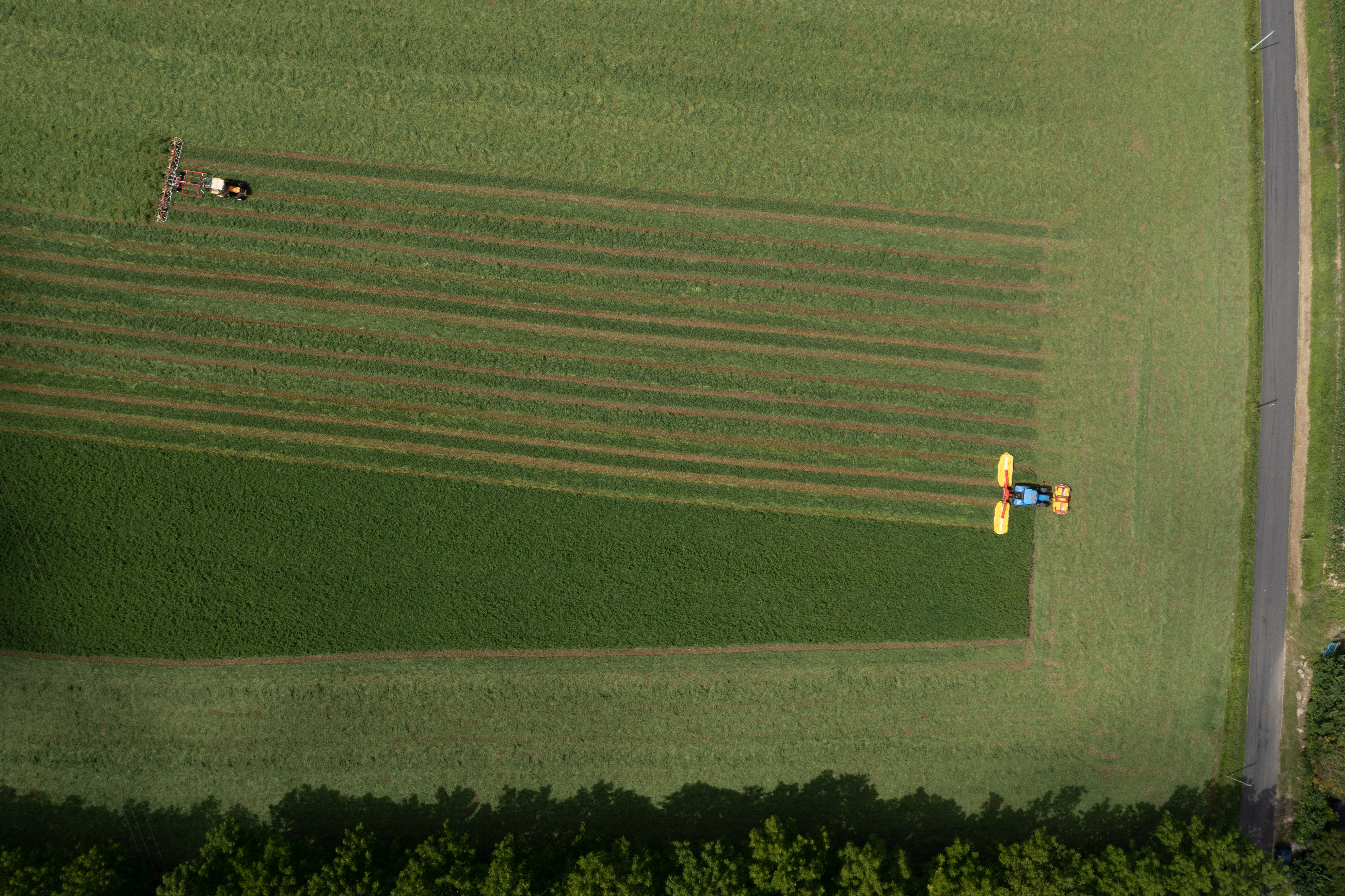
The essential role of sugars in the diet
Soluble sugars provide a readily available source of energy for animals. They play an important role in:
- the digestibility of the forage
- the efficiency of fermentation in the rumen
- the overall value of the ration
Hay rich in sugars helps improve animal performance, particularly in milk production. However, a balance between soluble sugars and soluble nitrogen is necessary to ensure good feed efficiency and avoid any ration imbalances.
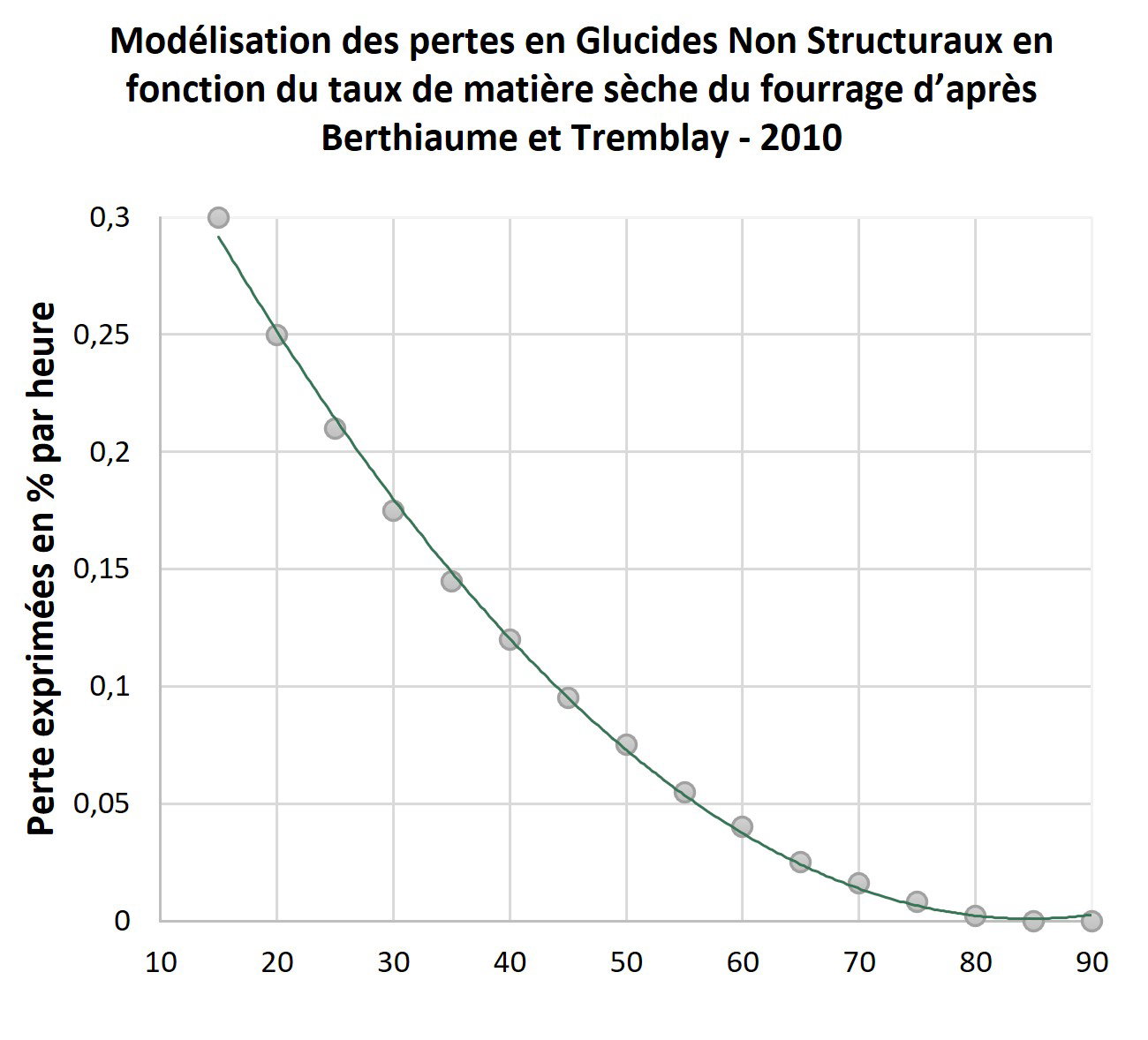
The sugar content of grass varies throughout the day. It is generally lower in the morning and peaks in the late afternoon, after several hours of photosynthesis. Mowing in the late afternoon therefore allows for the harvest of forage richer in sugars. After mowing, it is essential to dry the forage quickly to limit cellular respiration in the plants. As long as the forage remains moist, the cells continue to consume the available sugars. Rapid drying thus helps to lock in the nutritional value at the time of harvest.
The SEGRAFO analysis framework
Since 2021, SEGRAFO has developed a reference framework for nutritional analyses of barn-dried hay, hay in bales and multi-product flat systems.
This work is based on:
- chemical and nutritional composition analyses
- observation of different drying systems
- documentation of representa